
Wabisukidou — Art Pilgrimage
Wabi-Suki-Do 侘び数寄道
Wabi-Suki-Do is a two-year, 24-session course aimed at embodying “Wabi-Suki” — a uniquely Japanese sense of values and aesthetics — to refine the right brain of business leaders.
00
What is Wabi-Suki-Do
Overview
Through the Soo-hen school of tea ceremony, Rinzai Zen, philosophy, art, self-management, communication, design, technology, fashion and travel, participants make a pilgrimage through tradition, the present and the future.
The course draws on the philosophy of wealth found in "Wabi-Suki" and the notion of "a mountain retreat within the city" — together with the architectural style that gives it form, the lifestyle and manner of spending time within it, the disciplines of body and mind, the etiquette of tea, and ways of viewing works of art — as a foundation for building the world after the pandemic. It is structured as learning to strengthen the core of global leaders who convert money into value and create eras that change the world.
01
Place
Place
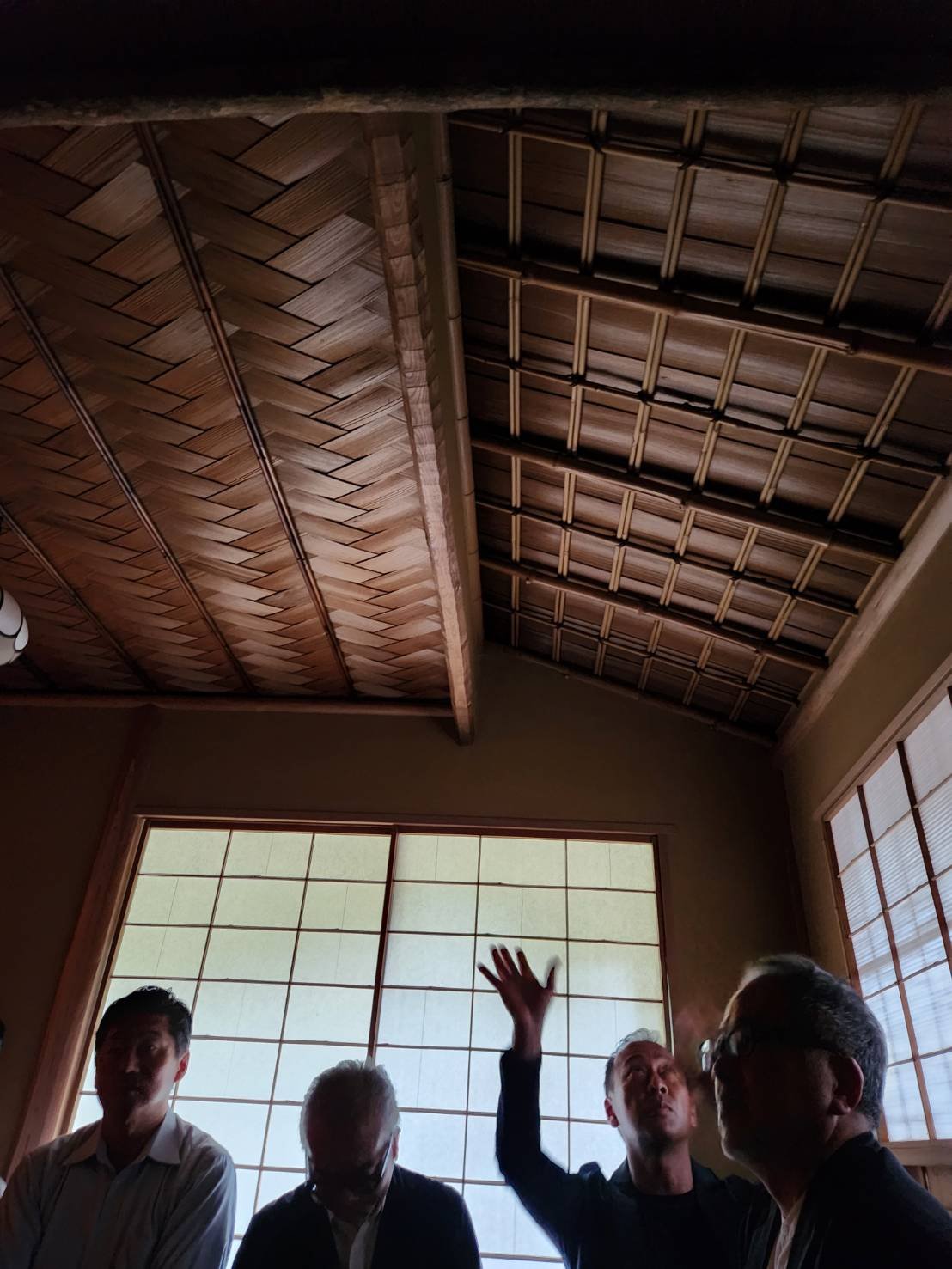
Through a private mountain retreat associated with Rikyu and Soo-hen, a garden path for embodying "mu-ichi-motsu" (possessing nothing), and a traditional house built as an urban cabin, participants learn the luxury of craftsmanship, how to make use of space, and the nature of beauty.
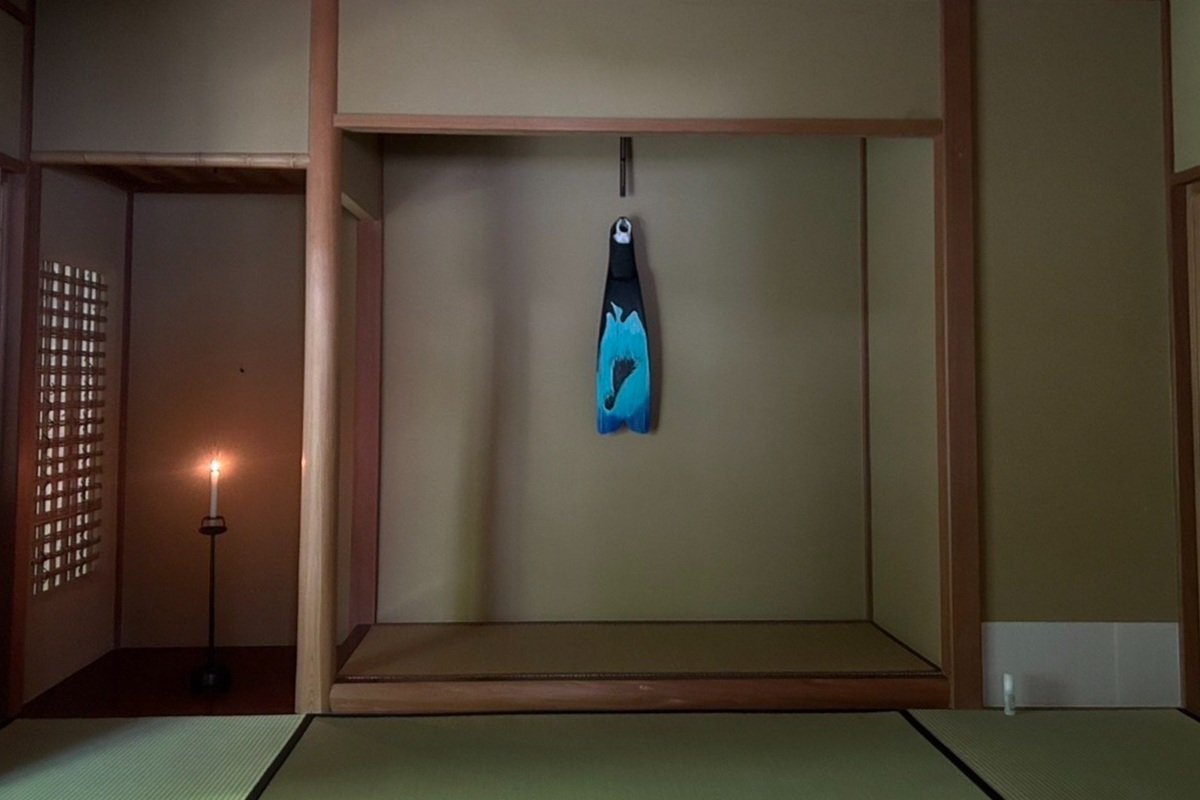
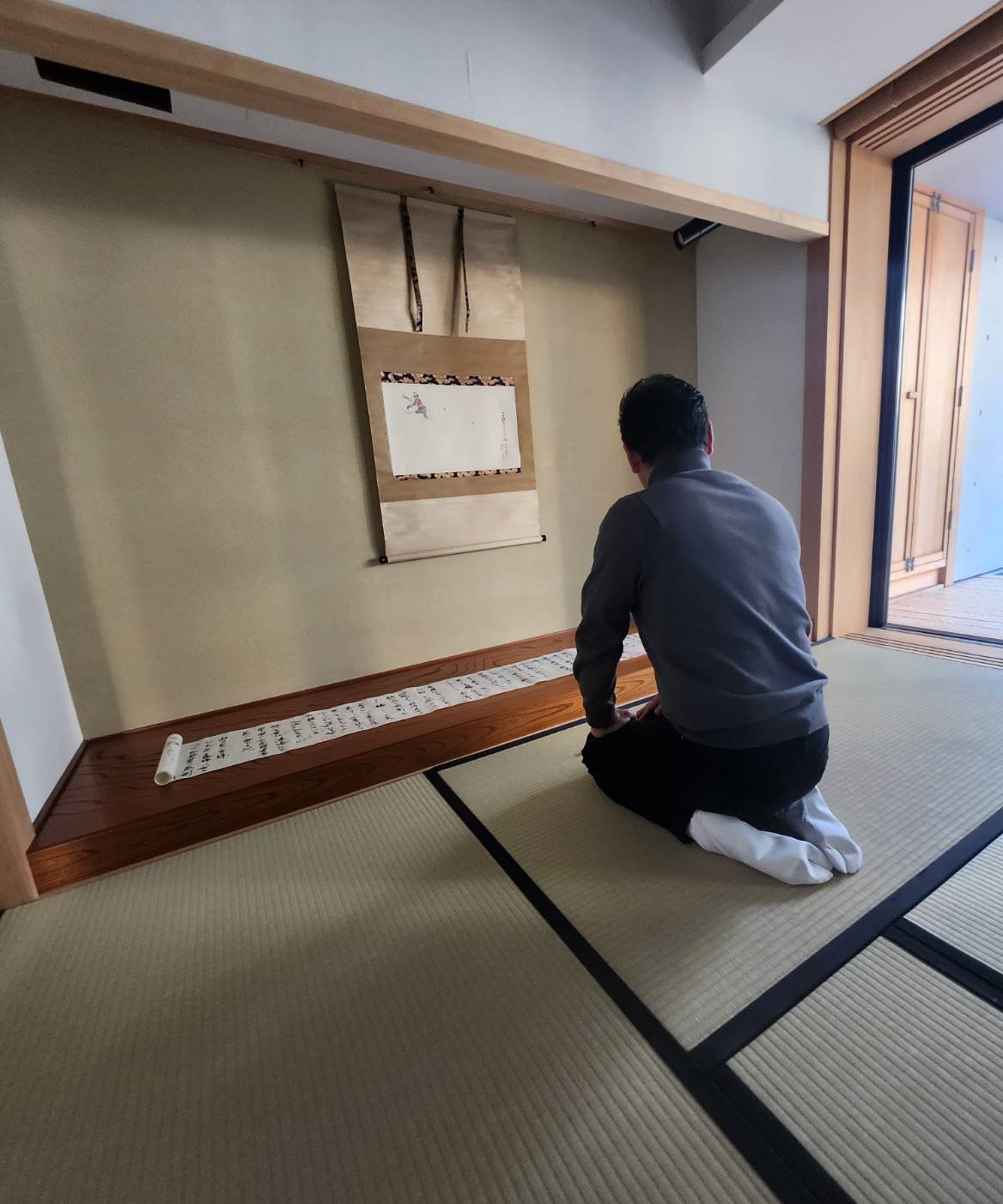
Participants learn how the making of a mountain retreat acts upon body and mind, and how it is effective for communication. Sweeping away the dust of the mind restores one's Buddha-nature. One senses how a space is transformed when a work of art is displayed in the tokonoma alcove.
02
Tea
Tea
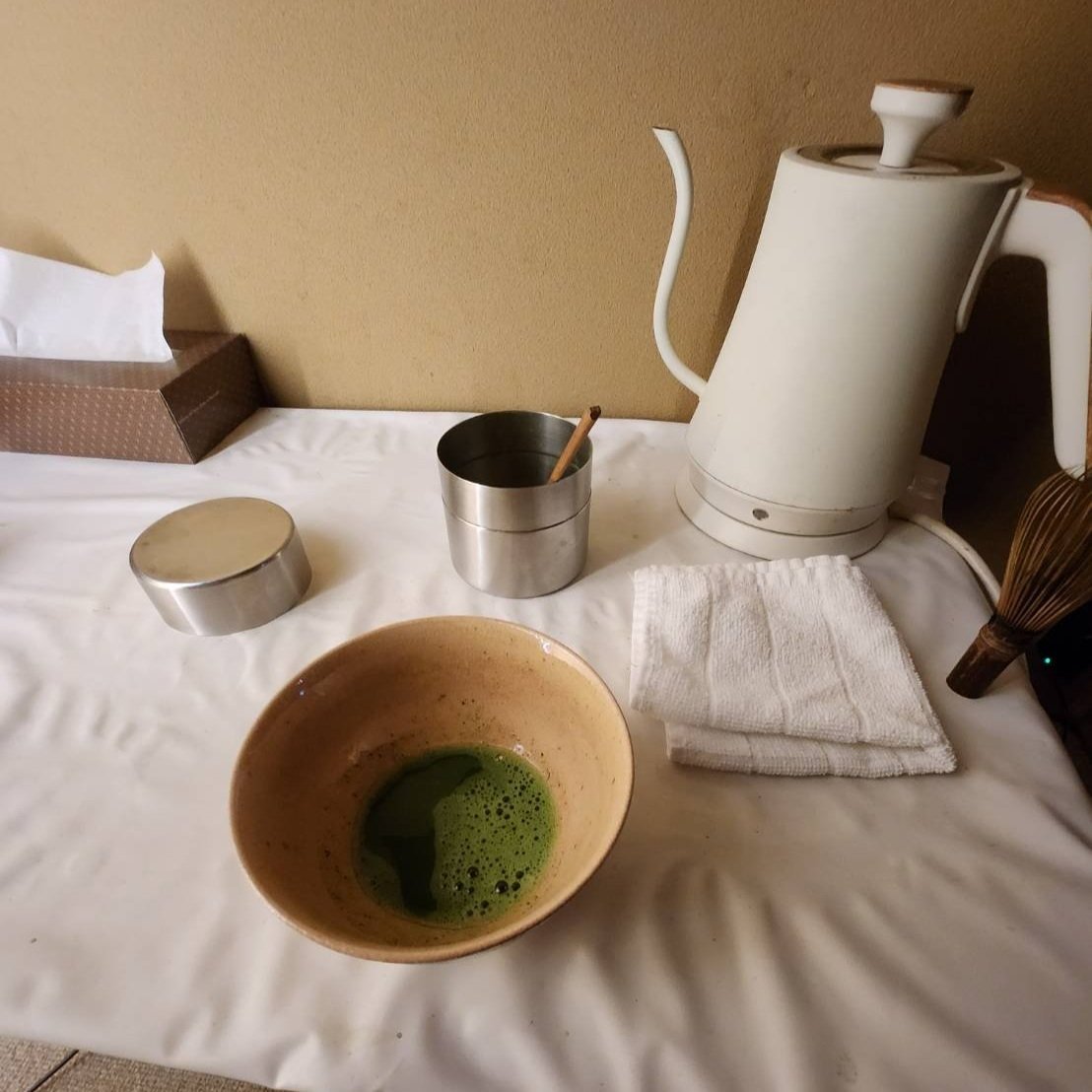
What one acquires through Wabi-Suki-Do is a communication format that raises the level of dialogue and moves the heart through non-verbal communication — the process of sweet, matcha and roasted tea, staged with tension and release.
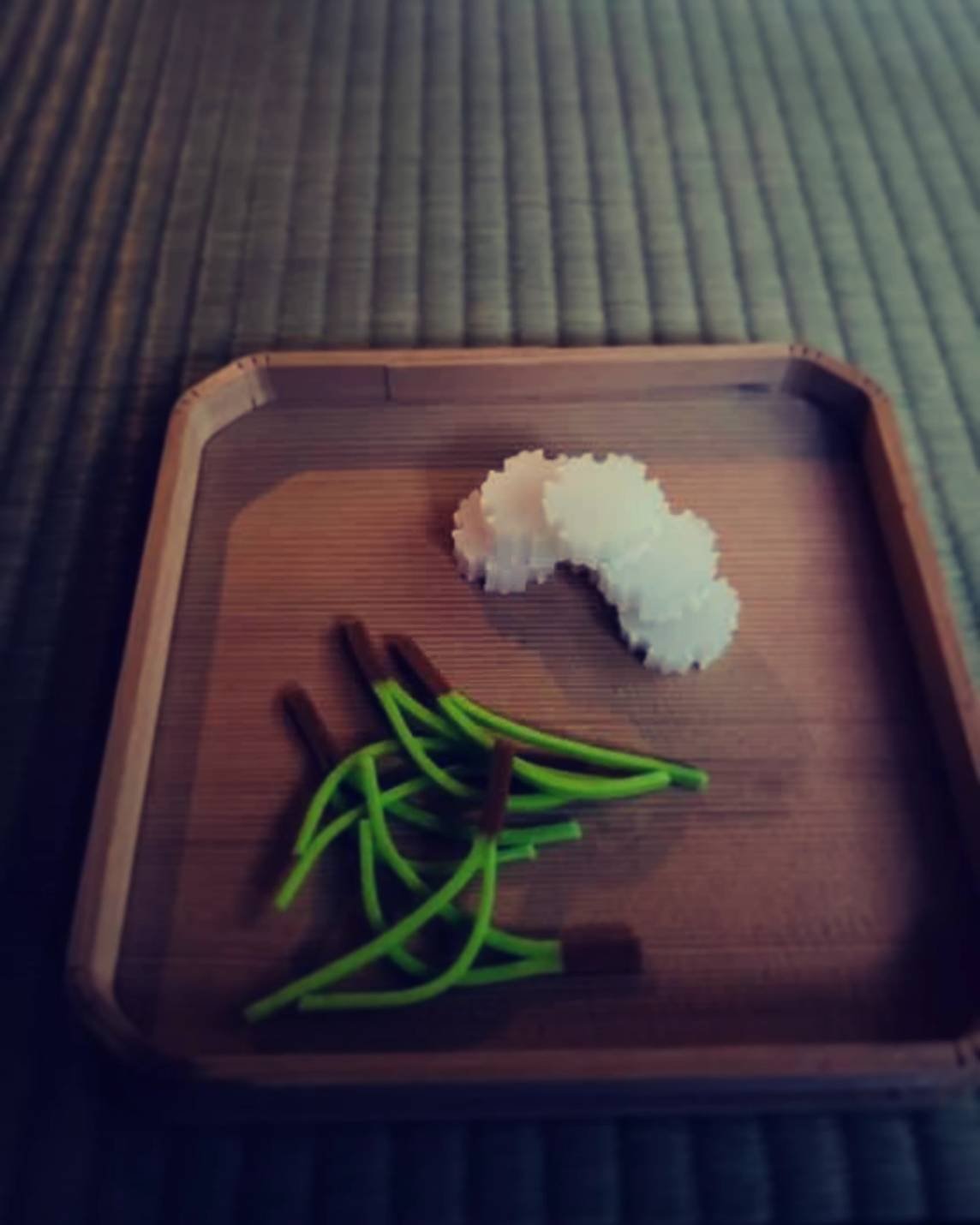
Repeatedly considering which sweets suit matcha, which vessel suits which sweet, and which sweets suit the season trains the eye. Matcha has become a global phenomenon — knowledge of it and the skill of preparing it create an advantageous position in global communication.
After matcha comes hojicha. Relaxed conversation over roasted tea builds bonds between people. A business leader hosting guests personally smooths communication. As an application of sweet, matcha and hojicha, this leads to the ability to hold dialogue over hojicha making use of space and art.
03
Body
Body
Urban Cabin Institute's original self-management practice, WabiYoga, is held eight times a year, allowing participants to converse with their own body and mind by sensing posture, stiffness of the joints and shallowness of breath. It refines both awareness and movement — turning crisis into opportunity, and enabling an instant shift from "stillness" to "motion".
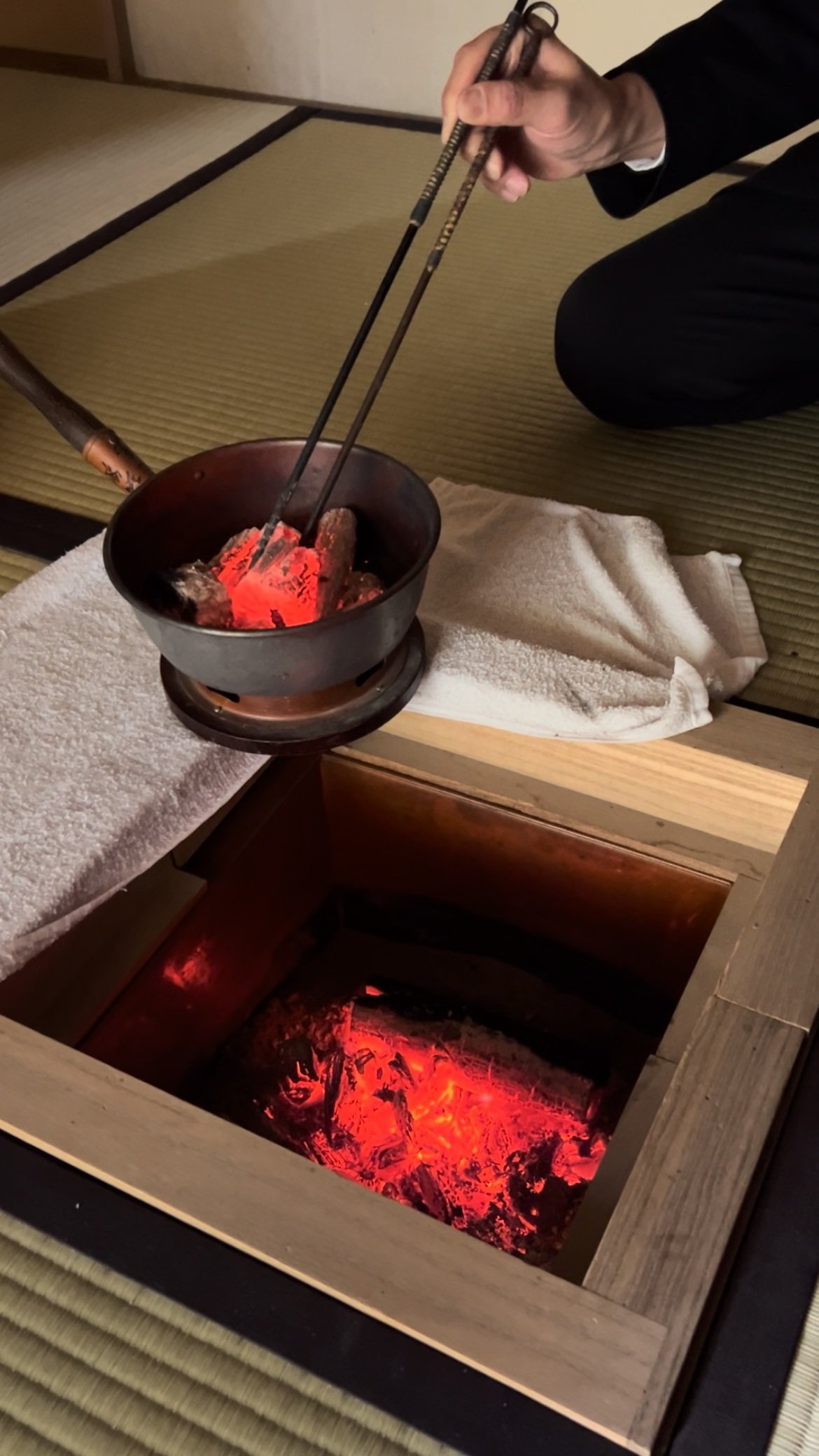
Wearing tabi socks heightens sensitivity to the tatami, and one senses what constitutes beautiful posture. Sutra recitation follows seated meditation.
Training body and mind to shift into "motion" in an instant.
Learning to connect body and mind through WabiYoga and seated meditation.
04
History
History
Participants refine their sense of history, strengthening Japan's present position and their own identity and standing as Japanese.
They learn to read the intentions behind hospitality. People are drawn to people, and business leaders are drawn into conversation with one another, yet few have the habit of reading the works of art chosen for hospitality, or the messages embedded within them. By repeating the ritual of formal viewing ("haiken") until it becomes second nature, participants build a habit of attending to the detail of art and architecture, deepening their cultivation.
UCI, which provides learning for business leaders who will lead cities to success, invites and visits instructors from other fields — Zen, philosophy, art, antiques, design and technology. We value the inspiration gained from encountering different wisdom, thought and values. Sensing how fellow students interpret and digest these encounters, and how they progress, is itself a form of learning.
05
Art
Art
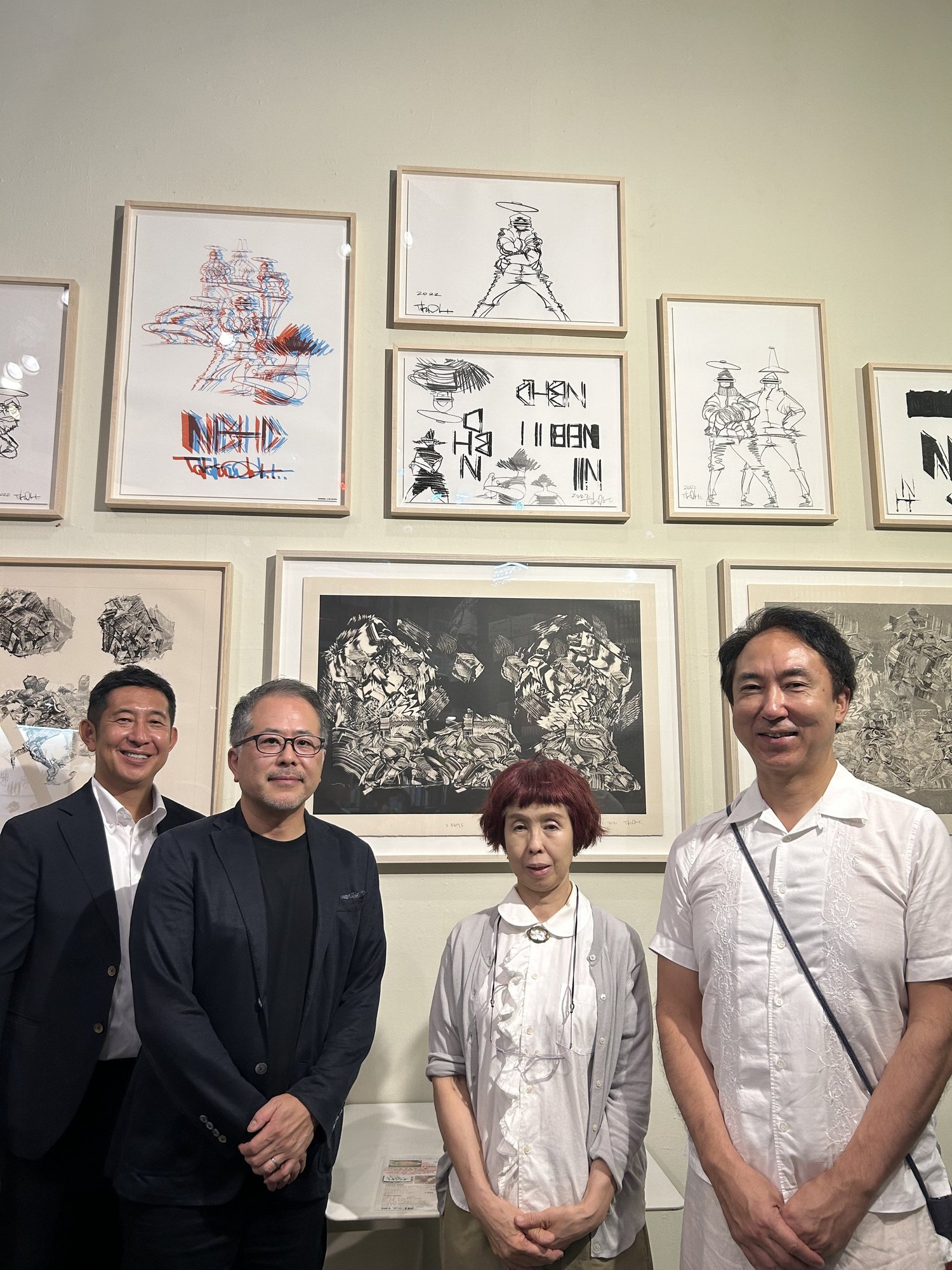
The Wabi-Suki-Do course includes a distinctive engagement with art, in which artists and business leaders spend time together, stimulating one another and heightening sensitivity.
It is said that since AI produces answers, what is required of human beings is the ability to frame questions. Art may seem difficult to grasp, something one might rather avoid, but by engaging with "things that have no answer" and continually asking oneself what one is feeling, art is ideally suited to refining right-brain thinking, the framing of questions, the ability to put unease into words, the capacity to press further, and sensitivity itself.
Having long considered "what art is necessary for business leaders immersed daily in management", UCI's representative Nagamitsu Yamada arrived at "Business Leaders meets Artist" as an art activity business leaders can undertake without strain.
Together with Ogawa, representative of Art Center Ongoing, dialogue is held with artists on "how they perceive the world and what they seek to create and present within it" and "how they live", exploring what emerges from the process of creating together — an engagement not found within the art world itself. Hearing from curators about ways of viewing art and artists' thinking sharpens the ability to read their messages.
06
Dialogue
Dialogue
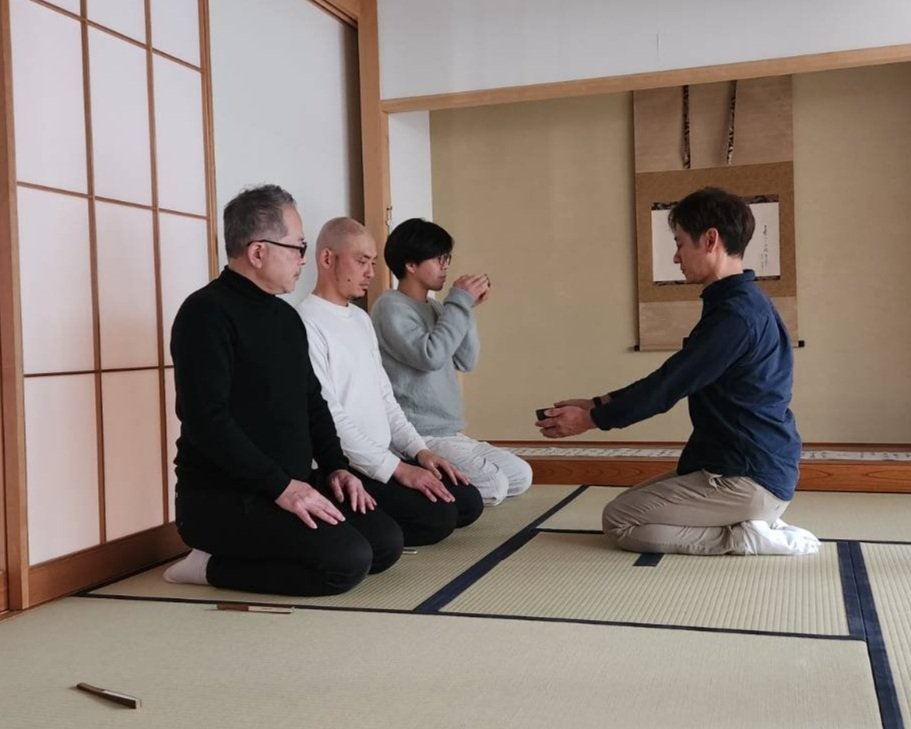
Etiquette and communication as a guest are refined through the way of tea, deepening cultivation. Participants learn how to connect heart to heart, ways of viewing old things, refine personal relationships through etiquette, and learn a communication format for dialogue.
Practice in serving matcha to guests. To refine one's capacity as a Japanese, participants learn the handling of chopsticks and vessels, and refine non-verbal communication. Through messages entrusted to art and hanging scrolls, standards for viewing the world, and comportment, participants cultivate a capacity to build trust and read high-context meaning, heightening their sensitivity.
07
Pilgrimage
Pilgrimage
Associate Professor Cheung Ching Yuen of the University of Tokyo, who lectured on freedom, explained that "pilgrimage — reviving memory through the body — is philosophy."
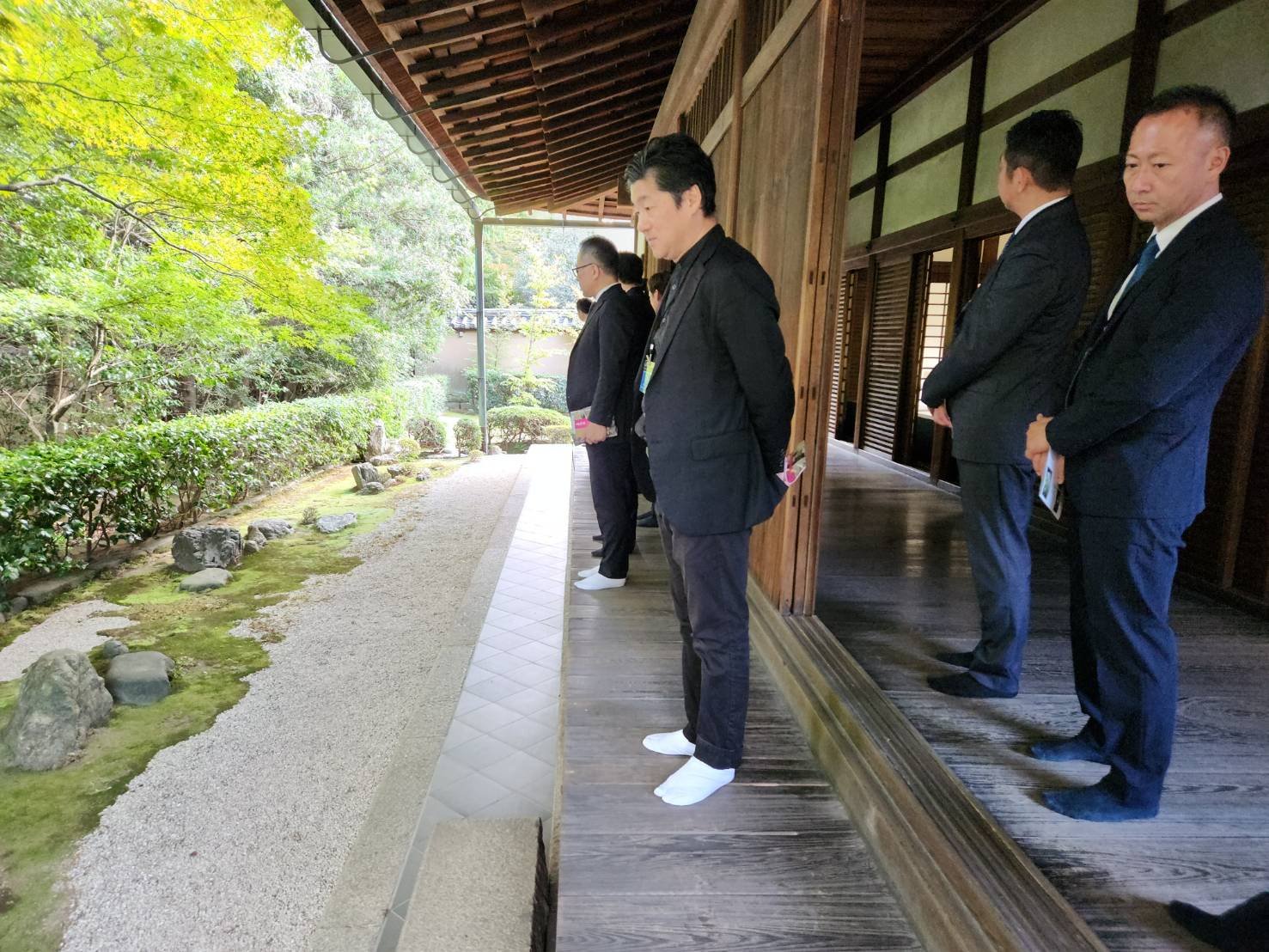
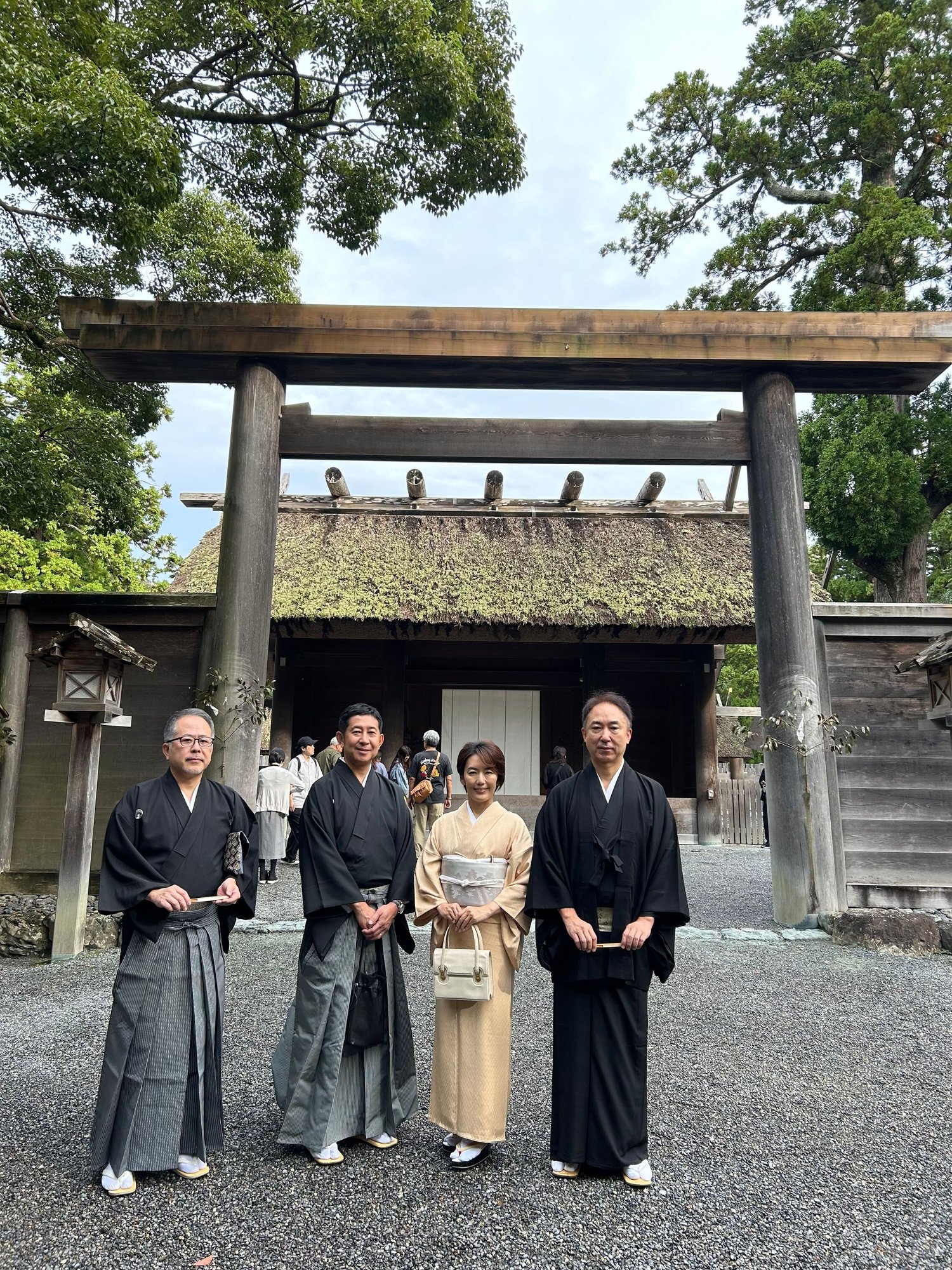
In Wabi-Suki-Do, participants make pilgrimages to art dealers, galleries, and shrines and temples, heightening sensitivity through history, ways of viewing things, ways of thinking, and the conduct of hospitality — at Shinju-an of Daitoku-ji in Kyoto, and at Aso Bijutsu in Ginza.
Other learning
There are also opportunities to learn together with participants from overseas: learning the handling of fire, that which makes humans human; special lectures on the latest developments in Zen; the history of technology and counterculture; art commentary from the director of the Watari Museum of Contemporary Art; a special lecture on design at The Conran Shop; and the elegant art of handling money and noshi envelopes — wisdom equally necessary for a leader.
Details
Course Details
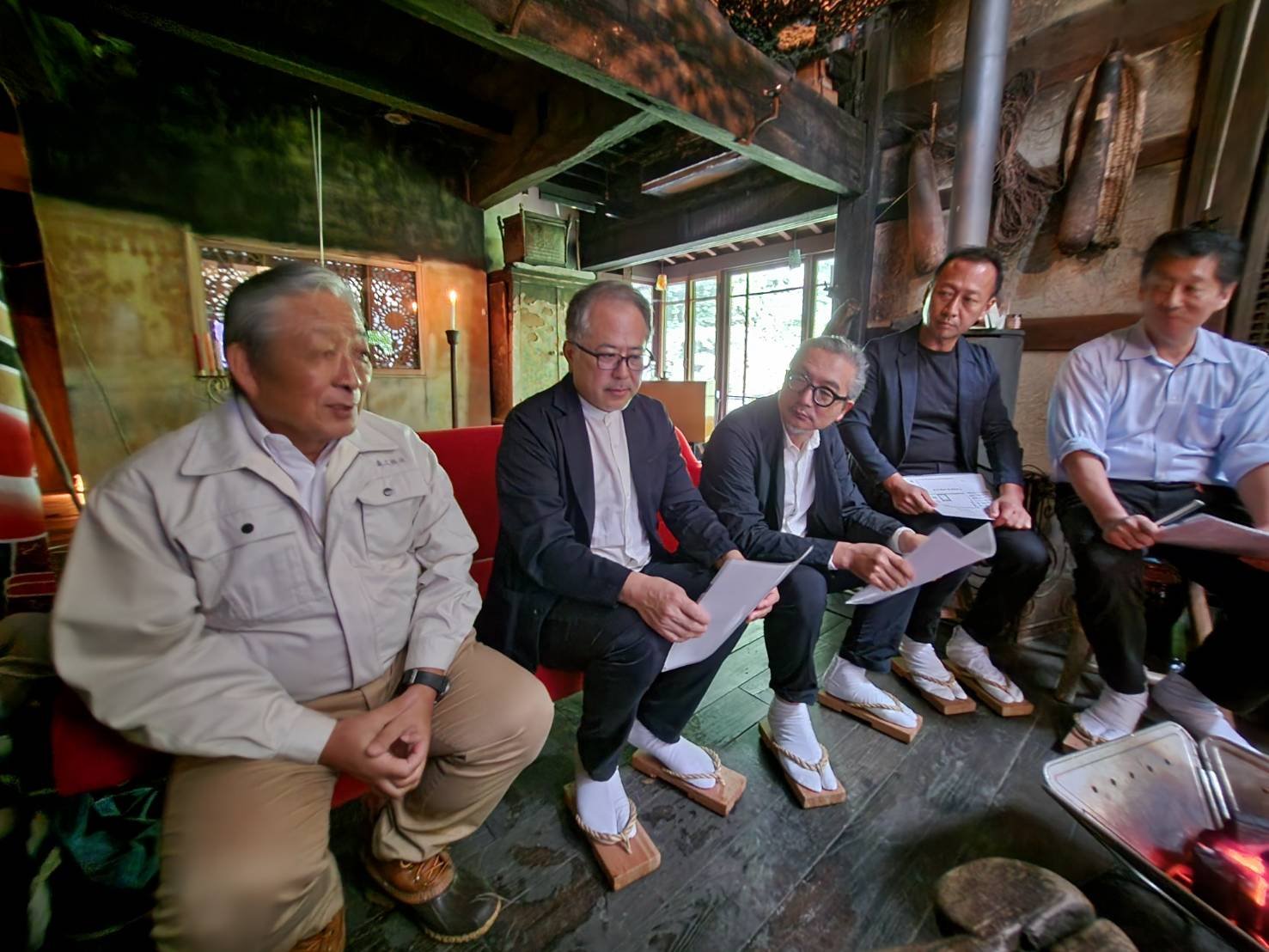
◆ "Wabi-Suki-Do" learns from a spatiotemporal experience applying the tea gathering, held four times a year at the private Yamada family home in Kamakura, structured over two koku — four hours — through tension, release and changes of scene, so as to make "Wabi-Suki" one's own.
◆ WabiYoga, which trains body and mind to shift into "motion" in an instant, and classroom sessions on civilisational history and views of wealth, held four times in Tokyo.
◆ Four visits to antique dealers, contemporary art galleries and craftspeople to consider the value of works of art, together with e-learning, and optional participation in art fairs and tea gatherings. Held 24 times over two years, with a name equivalent to a tea-name conferred at the close.
- Duration
- 2 years
- Content
- Yamada residence (Kamakura) 4×/yr, Tokyo 4×, excursions 4×
- Certification
- A "So" name conferred at the close of year two, on a paper and wood plaque
- To bring
- Tabi socks, folding fan, kaishi paper
- Attire
- No particular requirement
Membership
MEMBERSHIP
Membership
The leadership program Wabi-Suki-Do is accepting new members year-round (by application and screening).
Business leaders interested in joining are invited to enquire via the form.