
空間
Space
A place of stillness for those who fight ── urban cabin as architecture. Leaders of the digital age need space and time in which to be released, in body and mind, from relentless work.
01
Four Purposes
urban cabin という空間
Urban Cabin Institute produces urban cabin as the following four kinds of space.
- 01A space in which to converse with art and refine one's sensibility
- 02A space in which to face oneself and shape a vision
- 03An extraordinary space, apart from the everyday, where in the half-light one settles the mind and cultivates the energy to run at full pace again tomorrow
- 04A space for expressing oneself, for hosting and conversing with staff, partners and clients
If you wish to build a tea room, an artful space, or an urban cabin of your own, please get in touch.
A building without a mizuya is no tea room
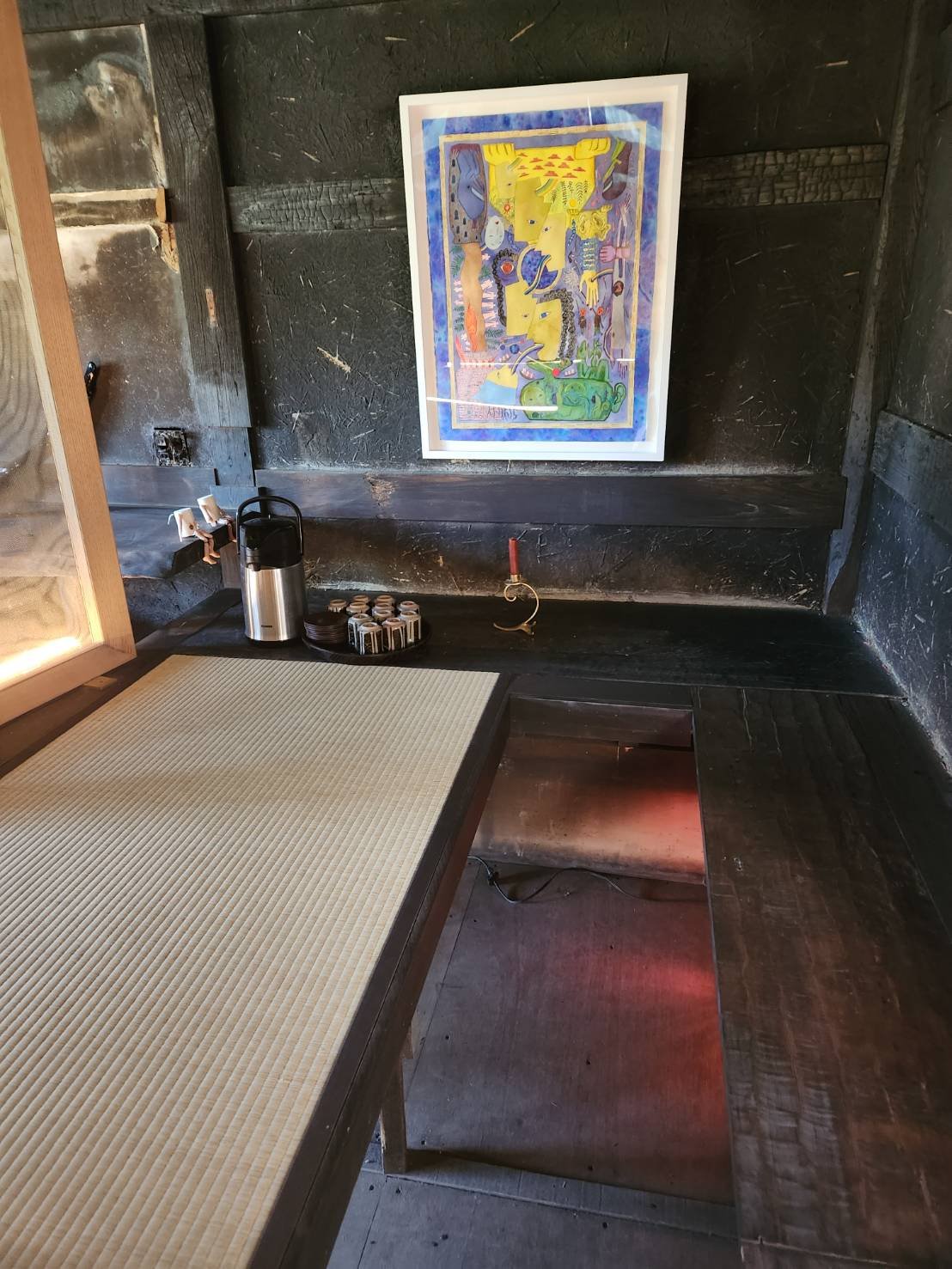
Many structures are built these days that are called tea rooms, yet often lack a "mizuya" — the space for preparing tea. Just as a kitchen with no stove or sink is no kitchen, a building without a mizuya is no tea room, but merely a hut called by that name.
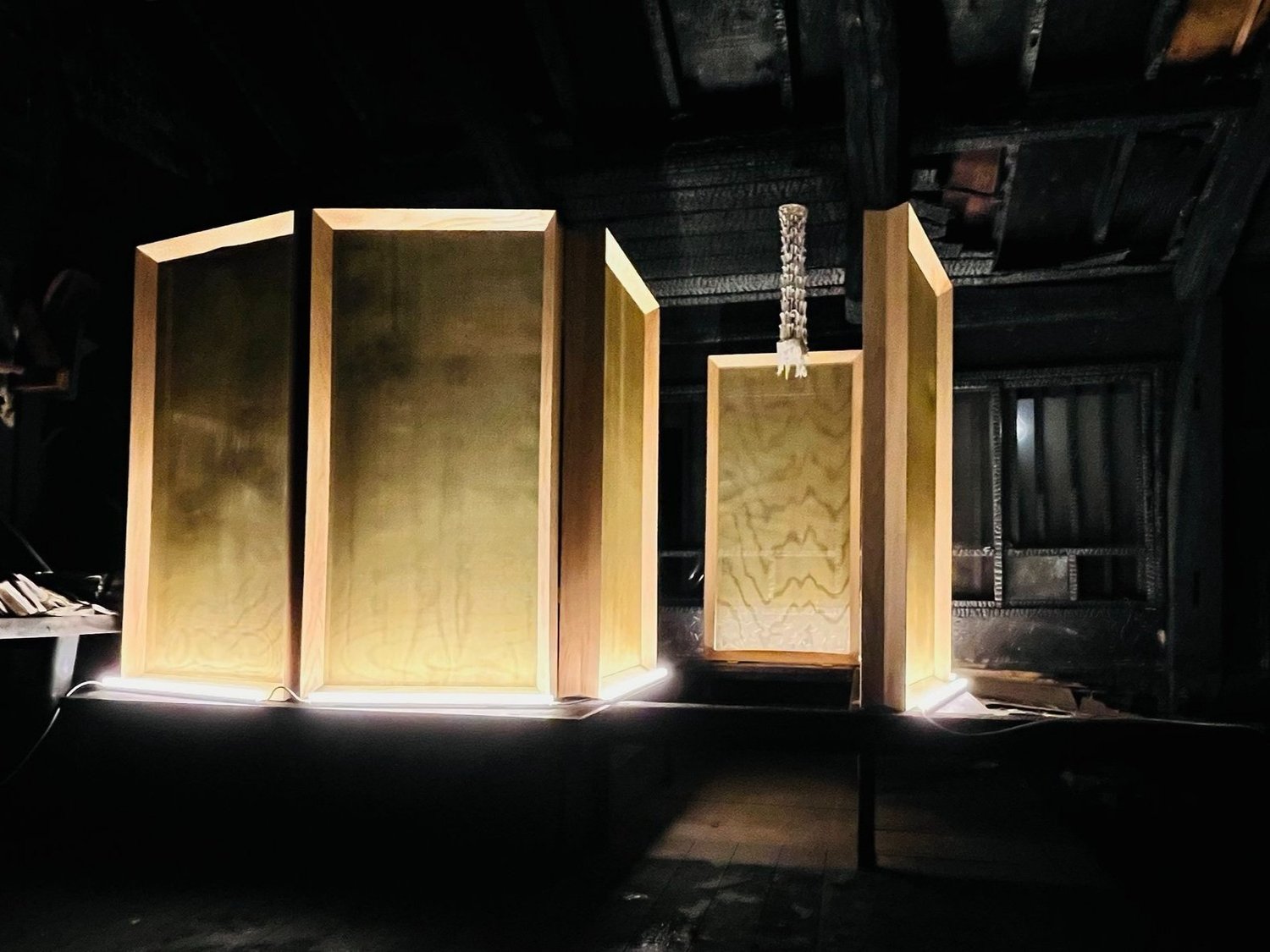
A prototype urban cabin exists within Black Cube. Based on the "kozashiki" — at two mats, the world's smallest space for communication — the host sits on tatami and the guest on a chair, and it is used for hospitality and dialogue, with conversations conducted through art and antiques.
02
Time and Space
時空間体験としての urban cabin
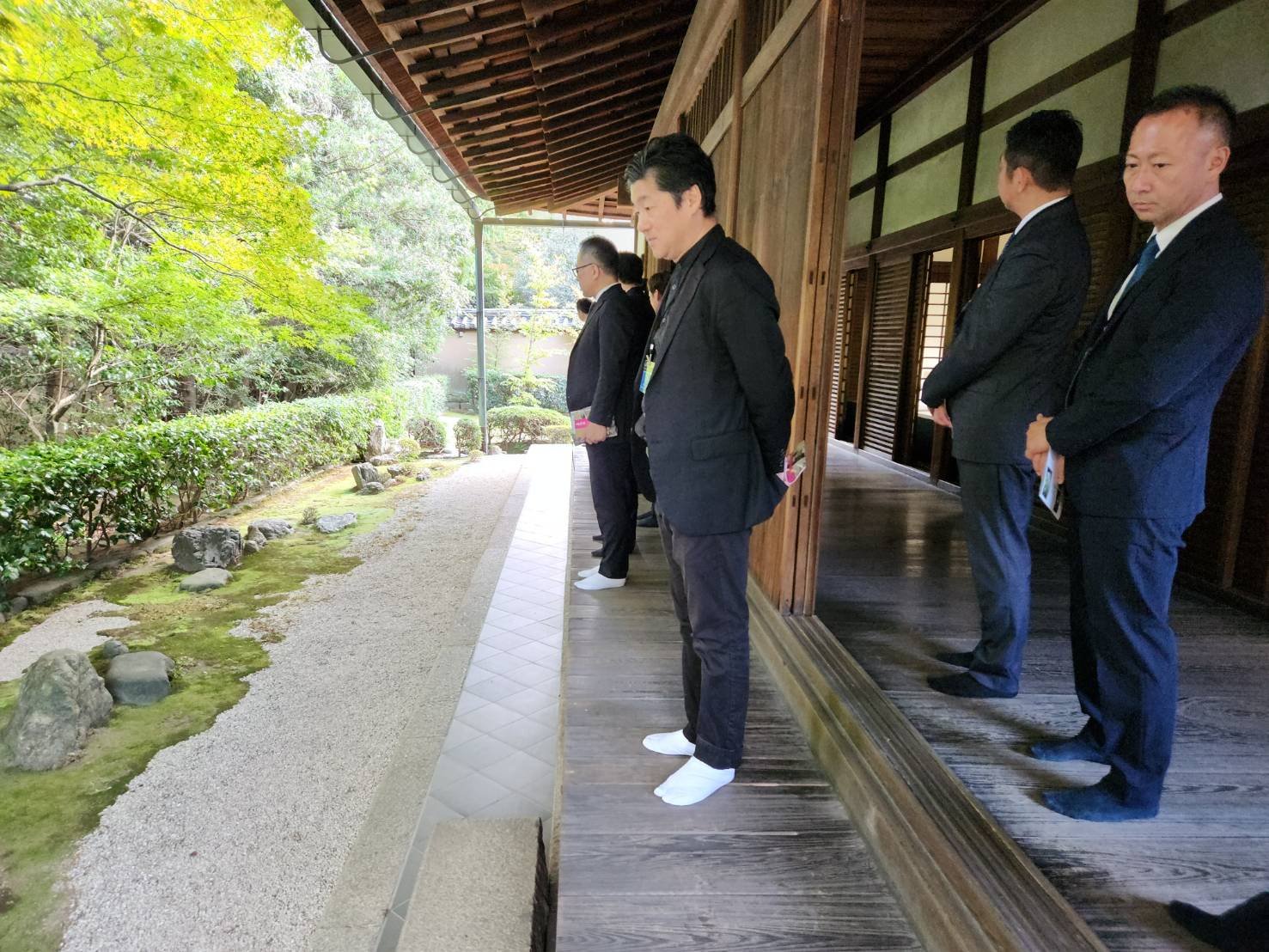
Negotiation and dialogue that make use of place and ma (interval) are skills leaders need.
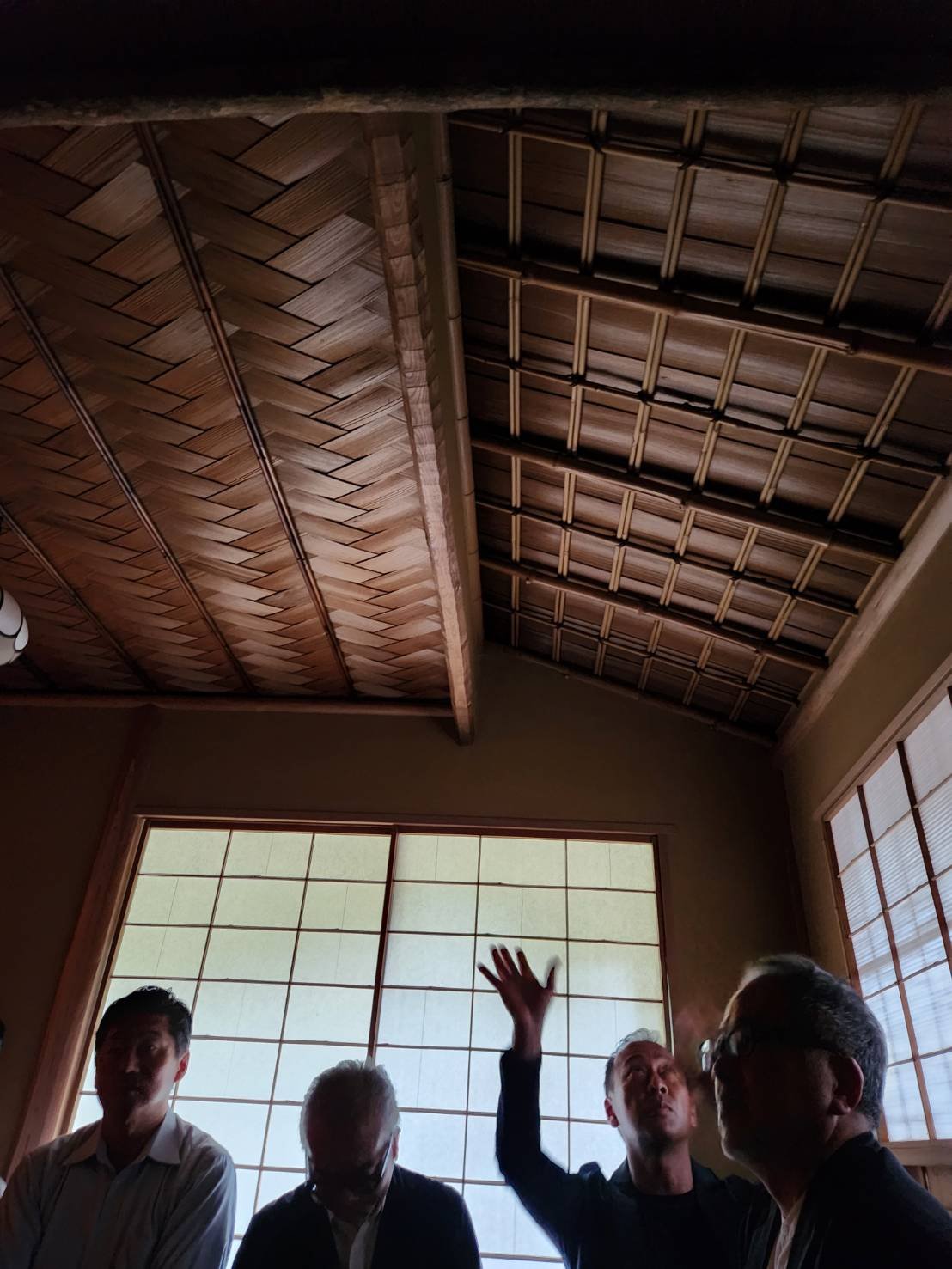
Ichijo Akiyoshi, regent of the Edo period, conducted his conversations while walking through sukiya and around ponds. By repeatedly shifting scene, he staged an interval of tension and release to heighten concentration, sharpening the senses and pacing the interval between small talk and the matter at hand.
03
Hideaway
市中の山居という隠れ家
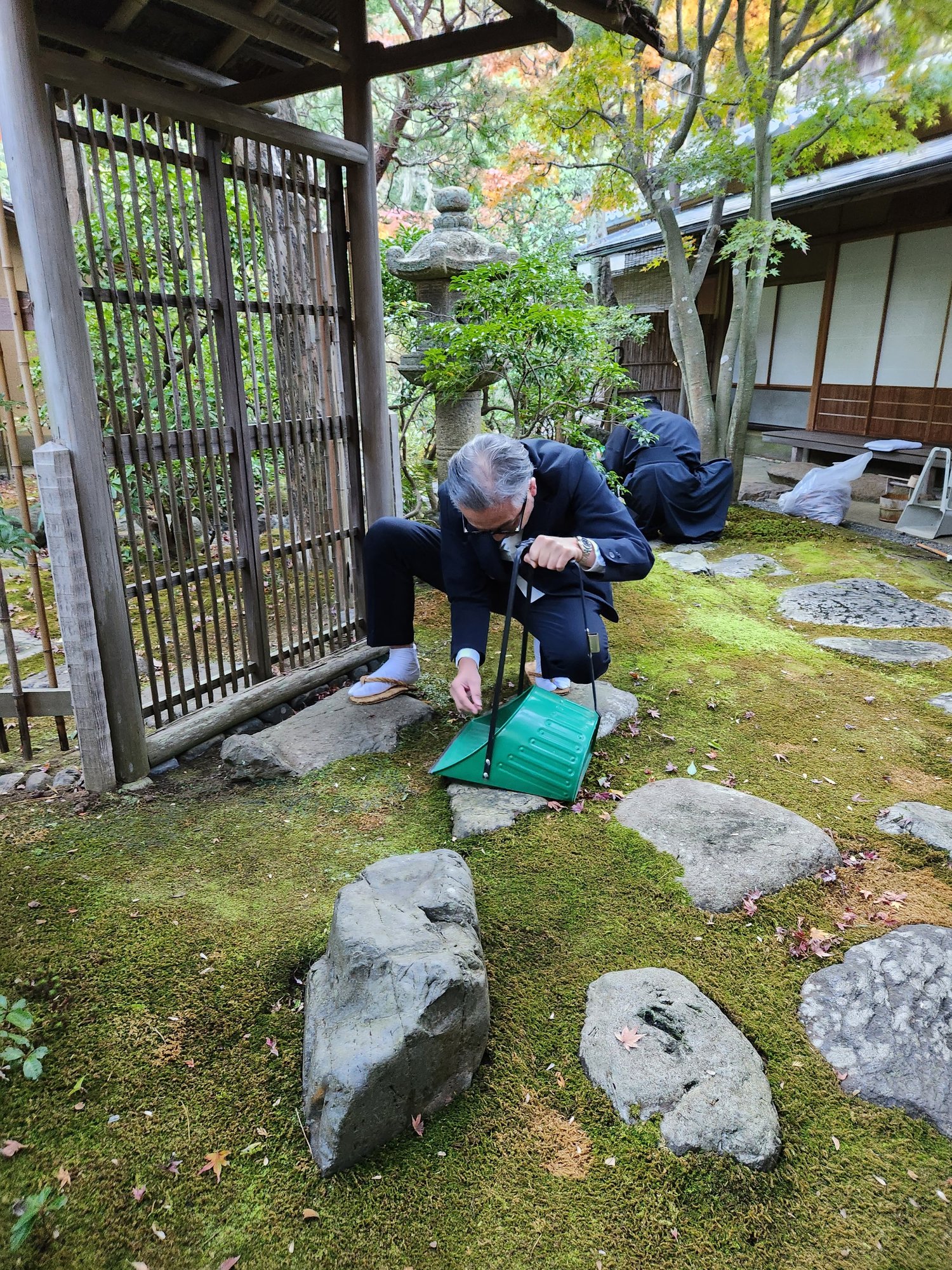
In the Muromachi period, there existed a hideaway and social space known as shichu no sankyo. It was a high-end refuge in which visionaries — the most advanced people of cities such as Sakai and Kyoto — could escape the trivial matters of daily life, face themselves, cut through their entanglements to reach decisions, return to their bare selves to organise their thoughts and find inspiration, and switch between on and off.
Behind the home-and-workplace at the heart of the city — shichu — a person kept a rough hut — sankyo — using it to switch on and off, both physically and mentally, and to concentrate on business; this itself was considered the greatest of luxuries.
What was singular, seen from a global perspective, was that while it served as a space for entertaining the powerful, it held up the appearance of a rustic country house as its ideal of beauty. A space in which one could be entirely oneself, unconcerned with others, brought more ease and calm through its simplicity than any display of luxury could.
Since one deliberately built a mountain dwelling
at the very heart of the city, shichu no sankyo
was itself a work of art, born of a devotion
that took great effort to maintain.
04
Hybrid Culture
南宋文化の和風化
The origin of shichu no sankyo lies in the longing of Kamakura-period warriors such as Hojo Masako and Minamoto no Sanetomo for the urban spirit and lifestyle of Southern Song China. In the Muromachi period, as emperors, shoguns and other men of power were entertained amid displays of karamono — art from the Song, Yuan and Ming courts — their lifestyle was refined over some three hundred years, moving from Song style toward Japanese taste, and shichu no sankyo reached completion in the Warring States period.
Tokonoma display — four hundred years ahead of Western curation
In this process was born the tokonoma, a uniquely Japanese architectural form for conveying sensibility and message through art. Shichu no sankyo was centred on the tokonoma where art was displayed, forming a social space for hospitality in which one could hold conversation at a higher level than the everyday allowed.
The spatial concept of shichu no sankyo, which placed a work of art at the centre of the space, and the method of selecting a single work for display and appreciation in the tokonoma, were an advanced form of communication unknown in the West until the twentieth century gave rise to the concepts of the "white cube" and "curation".
05
Kozashiki
小座敷、そして茶室へ
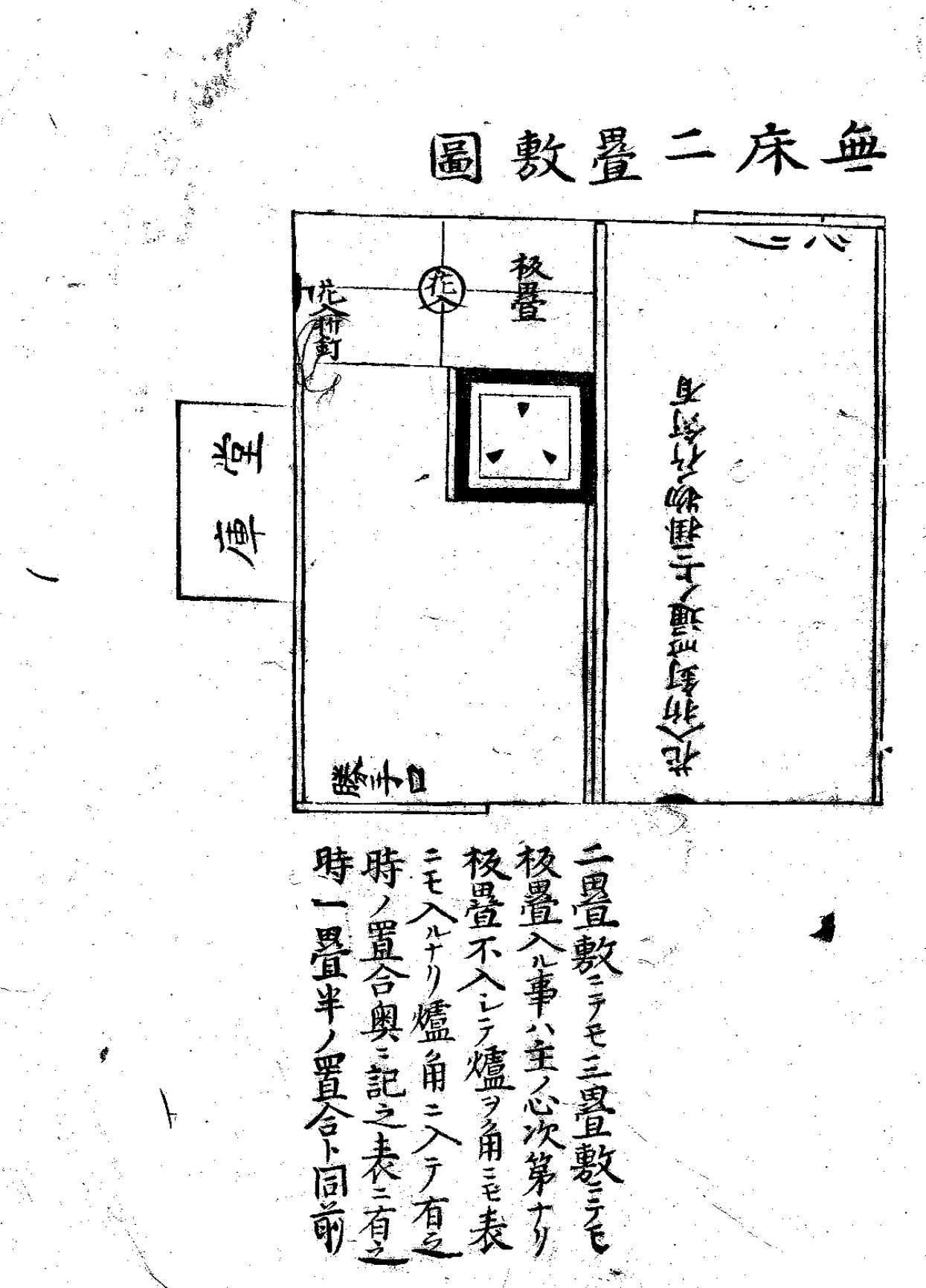
Shichu no sankyo would go on to specialise into a place for conducting chanoyu. Yamada Sohen, first-generation head of the Yamada family and founder of the Sohen school of tea ceremony, named the space for chanoyu created in the Azuchi–Momoyama period the "kozashiki" — the small chamber — and classified it into types based on the four-and-a-half-mat room.
Today, shichu no sankyo has become synonymous with the tea room, and has lost almost all sense of being a place for hospitality. With the Westernisation of lifestyle, the tea room became a place merely for practising the manners of chado — a stern place of discipline — and shichu no sankyo lost its original significance.
Some four hundred years after shichu no sankyo reached completion, lifestyles changed utterly toward Western style, and Japanese space ceased to be something people longed to create. The character of shichu no sankyo as a hideaway has been supplanted by Western-born lifestyles such as the luxury hotel, and to possess a shichu no sankyo is no longer a luxury. Some architects build structures they call tea rooms, but these use "tea room" merely as a sign — buildings meant to display design rather than luxury, and unusable for chado.
Cabin
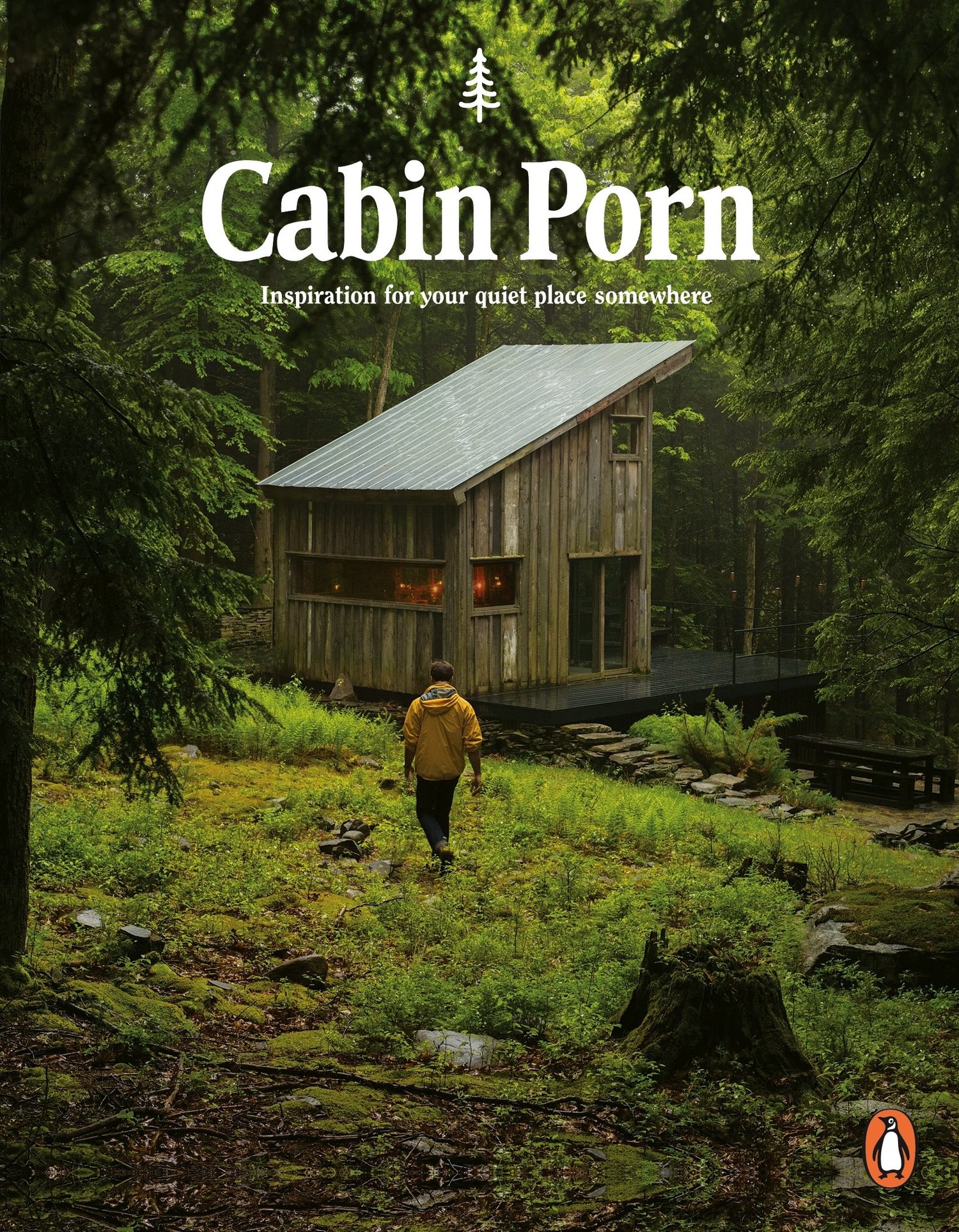
The cabin — a soothing space created by people worn out by the loss of humanity in cities and the decline of communication, for recovery in nature — has become a boom in the West. Cabin means hut; shichu no sankyo is also a hut. The idea of recovering from the stress of the city in a simple hut appears the same, East and West alike, and the cabin can be called a Western, modern version of "sankyo".
The Japanese cabin might be seen in garage houses, treehouses, and perhaps solo camping shares the same taste. Shichu no sankyo differs from the cabin in several respects — it is centred on art, and lacks facilities for living, being a space for temporary sociability — yet both share the point of switching on and off to keep the mind in balance.
Shichu no sankyo took shape with the image of a monk's hall for Zen practice in mind, while the cabin has as its background the counterculture that lies at the source of California's spiritual revolution and of the thinking behind the internet.
06
Urban Cabin 2.0
市中の山居 × カウンターカルチャー
The development of shichu no sankyo requires fusion with new culture. Japan's particularity lies in facing two great powers, China and America, and since shichu no sankyo was born from the Japanisation of Song, Yuan and Ming culture, further development can be expected from fusion with American culture.
Yamada Nagamitsu, founder of Urban Cabin Institute, was born into a family of tea ceremony that upholds shichu no sankyo as tradition, and grew up immersed in the Californian culture that fills Kamakura, with the two fused within him. The point Yamada considers key is the expansion of consciousness that the counterculture within the cabin's context arrived at.
Shichu no sankyo, gazing into the universe within oneself, became a universe as space. This is a concept of time and space that adds, as a spice, the expansion of consciousness born of the counterculture, together with the movements born since, to shape our consciousness of the universe beyond the sky toward which humankind is heading, and to consider our relationship with the Earth.
Yamada named this fusion of Japanese and American culture — a shichu no sankyo 2.0, so to speak — "Urban Cabin", established Urban Cabin Institute, and began offering the space and the experience of time and space that is urban cabin.